Introduction
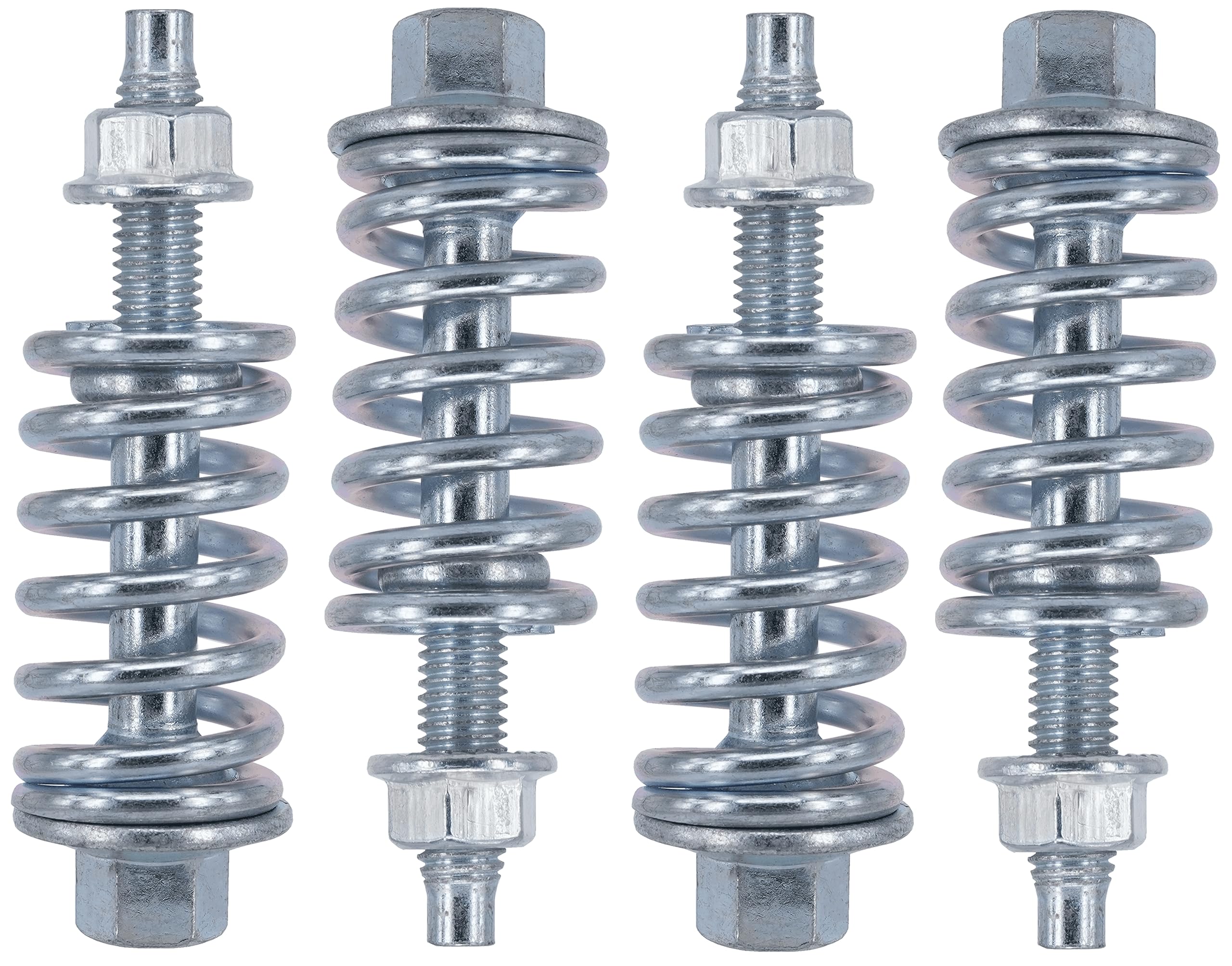
Spring fasteners are special fastening components designed to hold parts together while providing flexibility and vibration resistance. They use spring action to maintain pressure and keep connections secure, even when equipment is exposed to movement, shock, or vibration.
These fasteners are widely used in automotive, construction, electronics, aerospace, and industrial applications. Their ability to stay tight under changing conditions makes them an important part of many assemblies.
What Are Spring Fasteners?
Spring fasteners are fastening devices made from spring steel or other flexible materials. They are designed to apply constant pressure between connected parts. This pressure helps prevent loosening and keeps components securely in place.
Unlike regular fasteners, spring fasteners can absorb movement and vibration without losing their holding strength.
Common Types of Spring Fasteners
1. Spring Washers
Spring washers are placed under nuts and bolts to prevent loosening caused by vibration. They help maintain tension in the joint.
2. Spring Clips
Spring clips are used to hold components together quickly and securely. They are easy to install and remove.
3. Retaining Rings
Retaining rings fit into grooves on shafts or inside bores to keep parts from moving out of position.
4. Spring Pins
Spring pins are hollow or slotted pins that compress during installation and expand afterward to create a secure fit.
5. Spring Nuts
Spring nuts are commonly used in channels and mounting systems where easy adjustment and secure fastening are required.
Materials Used for Spring Fasteners
Spring fasteners are manufactured from different materials depending on the application:
- Spring Steel
- Stainless Steel
- Carbon Steel
- Phosphor Bronze
- Brass
- Alloy Steel
The choice of material depends on factors such as strength, flexibility, corrosion resistance, and operating environment.
Benefits of Spring Fasteners
Excellent Vibration Resistance
Spring fasteners help prevent nuts, bolts, and other components from loosening due to vibration.
Constant Pressure
They provide continuous tension, helping maintain a secure connection over time.
Easy Installation
Many spring fasteners are simple to install and remove, reducing assembly time.
Long Service Life
High-quality spring fasteners are durable and can withstand repeated use.
Cost-Effective Solution
They help reduce maintenance costs by preventing fastening failures and equipment downtime.
Applications of Spring Fasteners
Automotive Industry
Used in engines, suspension systems, braking systems, and electrical assemblies where vibration resistance is important.
Electronics Industry
Found in electrical panels, connectors, battery holders, and electronic devices.
Aerospace Industry
Used in aircraft assemblies that require lightweight and secure fastening solutions.
Industrial Equipment
Applied in machinery, pumps, motors, and production equipment.
Construction Industry
Used in structural systems, support brackets, and mounting applications.
How to Choose the Right Spring Fastener
When selecting a spring fastener, consider the following:
- Load requirements
- Amount of vibration present
- Material compatibility
- Corrosion resistance needs
- Temperature conditions
- Size and installation requirements
Choosing the correct fastener helps ensure safety, performance, and long-lasting reliability.
Maintenance Tips
To maximize the life of spring fasteners:
- Inspect them regularly for wear or damage.
- Replace damaged or weakened fasteners immediately.
- Use the correct size and type for the application.
- Protect them from excessive corrosion when used outdoors.
Conclusion
Spring fasteners are an effective solution for applications where vibration, movement, and changing loads can affect fastening performance. Their ability to provide continuous pressure and secure connections makes them valuable in automotive, industrial, aerospace, and electronic applications. By selecting the right spring fastener, businesses can improve reliability, reduce maintenance, and ensure safe operation of their equipment.